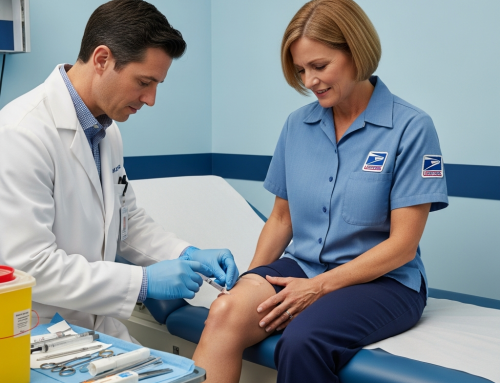
Paramus OWCP Clinics: What Federal Workers Should Expect

The phone call came at 2:47 PM on a Tuesday – you remember the exact time because you were staring at your computer screen, trying to finish that quarterly report when your shoulder decided it had officially had enough. Maybe it wasn’t a dramatic moment. Maybe it was just reaching for a file cabinet one too many times, or the slow burn of years hunched over a desk finally catching up with you. Either way, you’re now dealing with something no federal employee wants to face: a work-related injury that’s affecting your ability to do your job.
And then comes the paperwork. Oh, the paperwork.
If you’re reading this, chances are you’ve already started down that familiar federal rabbit hole of forms and acronyms. OWCP – the Office of Workers’ Compensation Programs – might as well be written in hieroglyphics for all the sense it makes at first. You’ve probably spent hours trying to figure out what you’re supposed to do next, who you’re supposed to see, and… wait, what exactly is a Paramus clinic anyway?
Here’s the thing – and this might surprise you – you’re not alone in feeling completely lost. I’ve talked to countless federal workers who describe that same sinking feeling when they realize they need medical care for a work injury. There’s this moment where you think, “Great, now I have to navigate the federal bureaucracy while I’m in pain.” It’s like being asked to solve a Rubik’s cube underwater.
But here’s what nobody tells you upfront: the system actually *can* work for you. The trick is knowing what to expect before you walk through those clinic doors.
Paramus, New Jersey might not be the first place that comes to mind when you think about specialized workers’ compensation care, but it’s become something of a hub for federal employees dealing with OWCP claims. The clinics here have seen it all – from postal workers with chronic back issues to TSA agents with repetitive strain injuries, from office workers with carpal tunnel to maintenance staff dealing with more serious injuries.
What makes these clinics different isn’t just their experience with federal workers (though that matters more than you might think). It’s that they understand something crucial: when you’re dealing with a work injury as a federal employee, you’re not just dealing with medical issues. You’re dealing with job security fears, insurance complications, and a claims process that can feel like it was designed by someone who’s never actually had to use it.
I remember talking to Sarah, a claims examiner from Newark who spent three months going to the wrong type of doctor before someone finally explained that OWCP has specific requirements. Three months of treatment that didn’t count toward her claim, three months of fighting with insurance, three months of wondering if she was going to have to pay for everything out of pocket. Don’t be Sarah.
The reality is this: federal workers have unique protections and benefits when it comes to work-related injuries, but only if you know how to access them properly. The doctors you choose matter. The timing matters. Even the way you describe your symptoms can impact your claim.
In Paramus specifically, there’s a network of providers who’ve built their practices around understanding these nuances. They know that when you walk in with lower back pain from lifting boxes at the post office, you need more than just treatment – you need documentation that will satisfy OWCP requirements. They understand that your appointment isn’t just about feeling better (though that’s obviously the goal), it’s about protecting your livelihood.
So what should you actually expect when you walk into one of these clinics? How do you know if you’re choosing the right provider? What questions should you be asking? And honestly – because someone needs to say this out loud – what do you do when the system seems designed to frustrate you into giving up?
That’s exactly what we’re going to walk through together. No bureaucratic double-speak, no assumption that you already know the federal workers’ compensation system inside and out. Just straightforward information about what you can expect, what you should prepare for, and how to make sure you’re getting the care and coverage you’re entitled to.
Because you shouldn’t have to become an expert in workers’ compensation just to get your shoulder fixed.
What OWCP Actually Means (And Why It Matters)
The Office of Workers’ Compensation Programs – or OWCP, because federal agencies love their acronyms – is essentially your insurance safety net when you get hurt on the job. Think of it like this: if regular health insurance is your everyday umbrella, OWCP is that heavy-duty golf umbrella you pull out during a thunderstorm.
But here’s where it gets a bit… well, bureaucratic. Unlike your regular doctor’s visit where you flash your insurance card and maybe pay a copay, OWCP operates more like a careful accountant who wants to see all the receipts first. They need to verify that yes, your injury really did happen at work, and yes, you really do need that specific treatment.
The Federal Worker’s Safety Net
As a federal employee, you’re part of a system that’s been around since 1908 – which means it’s seen some changes over the decades. The good news? You’re covered for work-related injuries and illnesses, from the obvious (slipping on that wet floor in the cafeteria) to the less obvious (developing carpal tunnel from years of data entry).
The not-so-intuitive part? You can’t just walk into any doctor’s office and expect OWCP to foot the bill. There’s a whole network of approved providers, and in Paramus, that means specific clinics that understand the federal workers’ compensation maze… because let’s be honest, it can feel like a maze sometimes.
How Federal Workers’ Comp Differs From Everything Else
Your regular health insurance operates on what I call the “ask forgiveness later” model – you get care, they figure out payment afterward. OWCP? They prefer the “ask permission first” approach.
It’s actually pretty logical when you think about it. They’re dealing with taxpayer money, so they want to make sure every dollar spent is necessary and appropriate. But this means more paperwork, more approvals, and yes – sometimes more waiting. Your patience will be tested, and that’s completely normal.
The Paramus Advantage
Here’s something interesting about the Paramus area – you’ve got a concentration of federal workers from various agencies, which means the local medical providers have gotten really good at navigating OWCP requirements. It’s like having a translator who’s fluent in both “medical speak” and “federal bureaucracy.”
The clinics that work with OWCP in Paramus have learned to speak this particular language. They know which forms need to be filed when, how to document everything properly, and – perhaps most importantly – how to communicate with the claims examiners who ultimately approve your care.
Understanding Your Rights and Responsibilities
This might sound overwhelming, but you actually have more rights than you might realize. You’re entitled to medical care for your work-related condition, compensation for lost wages, and even vocational rehabilitation if needed. The catch? (There’s always a catch, isn’t there?) You need to follow the proper procedures.
Think of it like filing taxes – the rules exist for good reasons, but they’re not always intuitive. Miss a deadline or forget to file the right form, and suddenly simple things become complicated. But here’s the thing: the system is designed to help you, even if it doesn’t always feel that way.
The Documentation Dance
Everything – and I mean everything – needs to be documented. Your injury report, your medical records, your treatment plans, even your mileage to appointments. It’s like keeping a diary, except this diary might determine whether your medical bills get paid.
I know it sounds excessive, but there’s actually a good reason for all this paperwork. OWCP handles thousands of claims, and clear documentation protects both you and the system. Think of it as building a paper trail that tells your story – one that clearly shows what happened, when it happened, and what you need to get better.
The medical providers in Paramus who work with federal workers understand this documentation dance. They know that saying “patient has back pain” isn’t enough – they need to specify exactly where, how severe, what triggers it, and how it limits your work activities. It’s detailed, but it’s detailed for your benefit.
This foundation – understanding what OWCP is, how it works, and what makes Paramus clinics special – sets the stage for everything else you need to know about getting the care you deserve.
What to Bring to Your First Appointment (Beyond the Obvious Paperwork)
Sure, everyone knows to bring your CA-1 or CA-2 forms and ID. But here’s what they don’t tell you – bring a detailed timeline of your injury. Not just “hurt my back on Tuesday,” but something more like: “Lifted boxes at 2 PM, felt twinge, continued working until 4:30, woke up Wednesday unable to move.” The doctors need this play-by-play to understand your case properly.
Also? Pack snacks and water. These appointments can run long, especially initial evaluations, and nobody thinks clearly when they’re hangry. Trust me on this one.
How to Talk to OWCP Doctors (They’re Not Your Regular Doc)
This is where things get tricky – and honestly, a bit frustrating. OWCP physicians aren’t your personal healthcare providers. They’re more like… medical investigators? Their job is to evaluate your work-related injury specifically, not treat your overall health.
Be direct about your symptoms, but stay focused on how they relate to your workplace injury. If your back hurts and you also happen to have a headache, mention the back pain – the headache’s probably not relevant unless it’s connected to your work injury.
Here’s a secret: they’re looking for consistency in your story. If you said you can’t lift more than 10 pounds on your paperwork, don’t casually mention carrying your 20-pound grocery bags. These details matter more than you’d think.
Navigating the Insurance Dance
Oh, this part’s fun… said no one ever. Your OWCP claim might cover the clinic visits, but here’s what gets messy: if they order additional tests or treatments, you’ll need prior authorization. Don’t assume anything’s automatically covered.
Before scheduling any follow-up appointments or procedures, ask the clinic staff to verify coverage with OWCP first. I’ve seen too many federal workers get stuck with surprise bills because someone didn’t check the authorization properly. The clinic should handle this, but it’s worth double-checking – you know, trust but verify.
Managing Work Restrictions and Return-to-Duty Evaluations
When the doctor says you can return to “light duty,” that’s not as straightforward as it sounds. Light duty for a desk job looks very different from light duty for a postal worker or customs agent. Be specific about your actual job requirements when discussing restrictions.
Actually, here’s something that might save you headaches later: bring a detailed job description to your appointment. Not the generic one from HR, but what you actually do day-to-day. Lifting, standing, computer work, walking – all of it. The more accurate picture the doctor has, the better they can assess your readiness to return.
Red Flags to Watch For
Most Paramus OWCP clinics are legitimate, but… well, any system involving insurance money attracts some questionable players. If a clinic pressures you to undergo extensive treatment that seems unrelated to your injury, or if they’re pushing expensive procedures right off the bat, take a step back.
Good OWCP providers focus on getting you functional and back to work safely. If someone’s suggesting months of treatment before you’ve even tried basic interventions, that’s worth questioning. You can always seek a second opinion through OWCP if something feels off.
Making the Most of Limited Appointment Time
Here’s the reality: these appointments are often rushed. OWCP doesn’t reimburse at the highest rates, so clinics sometimes pack in more patients than ideal. Come prepared to advocate for yourself.
Write down your main concerns beforehand – maybe three key points maximum. If you try to cover everything wrong with your body since 1995, you’ll lose their attention. Focus on what’s preventing you from doing your job effectively.
And here’s a pro tip: if the doctor seems to be wrapping up and you haven’t gotten answers to important questions, speak up. Say something like, “Before we finish, I need to understand…” Most physicians will give you a few more minutes if you’re direct about needing clarification.
Following Up and Staying Organized
Keep copies of everything – and I mean everything. Medical reports, correspondence, even notes from phone calls with dates and who you spoke with. OWCP cases can drag on, and having good records will save you major frustration down the road.
If you don’t hear back about test results or follow-up appointments within a reasonable time, don’t assume no news is good news. These clinics handle volume, and things can slip through cracks. A polite follow-up call never hurt anyone’s case.
When Paperwork Becomes Your Part-Time Job
Let’s be real – the documentation requirements can feel overwhelming. You’re already dealing with an injury, and suddenly you’re drowning in forms that seem designed by people who’ve never actually been hurt at work.
The biggest mistake? Thinking you can handle it all solo. Look, I get it – you’re independent, you’ve been managing your career just fine, thank you very much. But OWCP documentation isn’t like your annual performance review. It’s a different beast entirely.
Start a simple injury journal. Nothing fancy – just date, symptoms, activities that hurt, what helped. Takes two minutes daily, but it becomes gold when you need to explain why your back still aches six months later. Your doctor will actually thank you for this (seriously, they love patients who track patterns).
Keep copies of everything. And I mean everything – not just the “important” stuff. That seemingly random form your HR person had you sign? Copy it. The receipt from your parking at the doctor’s office? Keep it. OWCP moves slowly, and things get lost. Having your own complete file isn’t paranoia; it’s survival.
The Authorization Dance That Never Ends
Here’s what nobody tells you upfront: getting treatment authorized can feel like you’re asking permission to breathe. You’ll think you’re all set, then discover your physical therapy needs a special form, or your MRI requires three different approvals.
The trick? Don’t wait for pain to reach a breaking point before starting the authorization process. I’ve seen too many federal workers suffer needlessly because they assumed their approved claim meant automatic approval for everything related.
Build a relationship with your assigned claims examiner. I know, I know – they’re not always the warmest people, and you might get transferred around. But when you do connect with someone, be pleasant, be prepared, and be persistent (not pushy – there’s a difference). Remember their name. Ask about their process. These small things matter more than you’d think.
When Your Regular Doctor Doesn’t Get It
Your family physician is probably great for your annual check-up, but OWCP claims? That’s specialized territory. The documentation requirements, the specific language needed, the timeline expectations – it’s like asking your neighborhood mechanic to work on a NASA shuttle.
This is where finding an OWCP-experienced provider becomes crucial. Yes, it might mean switching doctors temporarily (or permanently). Yes, it feels weird. But think of it this way – you wouldn’t use a tax preparer who’d never handled business returns, right?
Don’t feel guilty about asking potential doctors about their OWCP experience during that initial call. Any provider worth their salt won’t be offended. Actually, they’ll probably appreciate your directness.
The Waiting Game That Tests Your Sanity
OWCP time moves differently than regular human time. What feels urgent to you – your pain, your inability to work, your mounting bills – operates on a completely different timeline than federal processing systems.
This is honestly the hardest part for most people. You’re used to getting things done, solving problems, moving forward. Then suddenly you’re in this system where “expedited” might still mean months.
Set up small wins while you wait. Maybe it’s finally organizing that closet, learning something new online, or reconnecting with friends you’ve been too busy to see. I’m not suggesting toxic positivity here – your situation genuinely sucks sometimes. But having other things happening in your life makes the waiting more bearable.
Fighting the System Without Burning Out
Sometimes you’ll need to advocate hard for yourself. Your claim gets denied, your treatment gets rejected, or your benefits get suspended. It happens, and it’s infuriating.
But here’s the thing about fighting bureaucracy – you have to pick your battles strategically. Getting emotional (understandable) rarely moves things along faster. What works? Clear communication, documented evidence, and knowing when to bring in reinforcements.
Don’t try to become a legal expert overnight. If your case gets complicated, consult with an attorney who specializes in federal worker compensation. Most offer free consultations, and they can quickly tell you if you’re on the right track or heading into quicksand.
The system isn’t perfect, but it does work for many people. Your job is figuring out how to make it work for you… without losing yourself in the process.
Setting Realistic Expectations: The Good, The Bad, and The Waiting
Let’s be honest about what you’re walking into – because nobody benefits from sugar-coating the reality of OWCP claims. The process isn’t exactly known for its lightning speed, and that’s… well, that’s just how it is.
Most federal workers I’ve talked to expect things to move faster than they actually do. You’ll file your claim, and then… you wait. The initial review can take anywhere from 30 to 90 days, sometimes longer if your case is complex or if there’s missing documentation. I know, I know – when you’re dealing with pain or an injury that’s affecting your daily life, three months feels like forever.
But here’s what’s happening during that seemingly endless waiting period. Your claim is bouncing between different departments, medical reviewers are poring over your records, and yes – sometimes it sits in someone’s inbox longer than it should. That’s frustrating, but it doesn’t mean your claim is doomed or forgotten.
The clinics in Paramus have seen this dance countless times. They know which battles are worth fighting and which forms need to be filled out in triplicate (okay, not literally triplicate, but you get the idea). That experience? It’s actually working in your favor, even when it feels like nothing’s happening.
What “Normal” Actually Looks Like
Here’s something nobody tells you upfront – getting approved doesn’t mean the finish line. It means you’ve crossed the starting line of a much longer race.
Once your claim gets the green light, you’ll need to navigate treatment approvals. Want to see a specialist? That’s another form. Need an MRI? More paperwork. Physical therapy? You guessed it – more documentation. Each step requires approval, and each approval takes time.
The Paramus clinics understand this bureaucratic maze because they live in it every day. They’ve got the referral processes down to a science, they know which doctors OWCP tends to approve quickly, and they can usually give you a realistic timeline for each step. When Dr. Smith tells you it’ll probably take three weeks to get approval for that consultation, she’s not being pessimistic – she’s being realistic based on years of experience.
Your Next Steps (The Practical Stuff)
First things first – keep everything. Every email, every letter, every receipt. I’m talking about creating a filing system that would make a librarian proud. OWCP claims generate more paperwork than a tax audit, and you’ll need to reference things months later that seemed insignificant at the time.
Schedule your initial appointment at the clinic as soon as possible after your injury. Don’t wait until the pain becomes unbearable or until you’ve exhausted your sick leave – that just complicates things. The earlier you establish care, the stronger your documentation trail becomes.
Expect to tell your story multiple times. To different doctors, different claims examiners, different reviewers. It’s not that they’re not listening – it’s just how the system works. Each person needs to hear it directly from you, and sometimes slight variations in how you describe your symptoms can actually help paint a fuller picture of your condition.
Managing Your Expectations (And Your Sanity)
Look, there will be days when you question whether this whole process is worth it. You’ll get conflicting information from different sources, forms will be rejected for reasons that seem trivial, and you’ll wonder if anyone actually wants to help you get better.
That’s normal. And it’s temporary.
The clinics in Paramus have guided thousands of federal workers through this exact same emotional roller coaster. They’ve seen people get approved after initial denials, they’ve watched complex cases resolve favorably, and they’ve helped workers return to full duty when everyone thought it was impossible.
Your job right now isn’t to understand every nuance of OWCP regulations (trust me, there are people paid much more than us to figure that out). Your job is to focus on your recovery, follow your treatment plan, and document everything thoroughly.
The system isn’t perfect – actually, let me rephrase that. The system is definitely not perfect. But it does work, especially when you’ve got experienced professionals in your corner who know how to navigate its quirks and delays.
Stay patient, stay organized, and remember that slow progress is still progress.
So here’s what I want you to remember as you navigate this whole process – you’re not alone in this, and you absolutely deserve the care and support that’s available to you.
Federal work comes with its own unique challenges, doesn’t it? Whether you’re dealing with a repetitive strain injury from years at a desk, a back injury from physical duties, or something that developed gradually over time… your body has been doing the hard work of serving our community. That matters. And when your body needs help healing, that matters too.
The OWCP system might feel overwhelming at first – all those forms, appointments, and moving parts. But here’s the thing: once you understand how it works (and you’re getting there), it becomes much more manageable. Those Paramus clinics? They’re genuinely designed with federal workers in mind. The providers there have seen cases like yours hundreds of times. They know the paperwork, they understand the system, and most importantly – they get what you’re going through.
I’ve watched countless federal employees hesitate before reaching out for help. Maybe they’re worried about their job security, or they think their injury “isn’t bad enough,” or they’re just overwhelmed by where to start. Sound familiar? If you’re nodding along, let me tell you something: waiting rarely makes things better. In fact, addressing workplace injuries early often leads to better outcomes… both for your health and your career.
Your injury report doesn’t have to be perfect. Your symptoms don’t have to fit into a neat little box. You don’t need to have all the answers before you make that first call. What you need is to take that first step toward getting the care you deserve.
Think of it this way – you wouldn’t ignore a warning light in your car, right? Your body is sending you signals for a reason. And just like that car, the sooner you address what’s wrong, the less complicated (and expensive) the fix usually becomes.
The medical professionals at these Paramus OWCP facilities have built their practices around understanding federal workers’ needs. They know you can’t just take unlimited time off. They understand the pressure to get back to work. They’re familiar with your benefits, your concerns, and honestly… they’re rooting for you to get better.
Here’s what I’d love for you to do – and this is coming from someone who genuinely wants to see you feeling better and more confident about your health. If you’re dealing with a work-related injury or illness, don’t let another week slip by wondering “what if.”
Give us a call. Seriously. We can walk you through what to expect, help you understand your options, and connect you with the right resources in Paramus. You don’t have to figure this out alone, and you definitely don’t have to suffer in silence.
Your health isn’t just important to you – it’s important to your family, your coworkers, and everyone who depends on the vital work you do every day. You’ve earned this support, and you deserve to feel your best.
Ready to take that next step? We’re here when you are.