Unveiling the Federal Workers’ Compensation: Permanent Partial Disability Settlement
What would you do if you were injured at your federal job and the injury left you with a permanent partial disability? Would you know your rights and benefits under the Federal Workers’ Compensation Act? As a federal worker, understanding the intricacies of the federal workers’ compensation system, particularly when it comes to permanent partial disability settlements, is critical. This knowledge can mean the difference between receiving the benefits you are entitled to and struggling with financial hardship while dealing with a life-altering disability.
The world of federal workers’ compensation is complex, challenging to navigate, and often misunderstood. It’s a labyrinth of rules, regulations, deadlines, and paperwork that can seem overwhelming. Not to mention, if you’re dealing with the aftermath of a serious workplace injury, the last thing you need is additional stress about how you’ll pay your bills or provide for your family. That’s why we’re here to help unravel this complicated topic and provide valuable insight into permanent partial disability settlements under federal workers’ compensation.
In this comprehensive guide, we’ll delve into the depths of federal workers’ compensation, with a specific focus on permanent partial disability settlements. We’ll begin by setting the stage with a clear definition of what federal workers’ compensation is and who it covers. We’ll then move onto the concept of permanent partial disability, explaining what it means, how it impacts your life and work capabilities, and most importantly, how it affects your eligibility for compensation.
We’ll also examine the process of applying for a permanent partial disability settlement, including all necessary paperwork and evidence required. We’ll walk you through the steps involved in obtaining a settlement, from filing your claim to negotiating an agreement. Furthermore, we’ll discuss the role of medical evaluations in determining your degree of disability and how this influences your settlement amount.
In addition to providing a step-by-step guide on how to navigate the permanent partial disability settlement process, we’ll also shed light on the common mistakes federal workers make during this process and how to avoid them. We’ll equip you with the knowledge to ensure your rights are fully protected and you receive the compensation you deserve.
This topic matters because, as a federal worker, you have a right to be compensated for work-related injuries or illnesses that have led to permanent partial disabilities. Understanding your rights and the nuances of the federal workers’ compensation system is the first step toward ensuring you receive fair compensation. Moreover, it’s about securing your future and ensuring you have the financial resources to manage your disability and maintain a good quality of life.
Whether you’re a federal worker who’s been recently injured on the job, someone dealing with a permanent partial disability, or just someone who wants to understand more about federal workers’ compensation, this guide is for you. We aim to demystify this complex topic and provide practical, actionable information that can be used to navigate the federal workers’ compensation system effectively.
So, let’s dive in and start uncovering the facts about federal workers’ compensation and permanent partial disability settlements. Because knowledge is power, and in this case, it could also mean the difference between a difficult struggle and a secure future.
Understanding Federal Workers’ Compensation Permanent Partial Disability Settlement
Federal workers’ compensation is a significant aspect of labor law in the United States, designed to safeguard the rights and well-being of federal employees who sustain work-related injuries or illnesses. One critical component of this system is the provision for permanent partial disability (PPD) settlements. This provision is established to ensure that federal employees who suffer a permanent but partial disability from a work-related injury or disease receive adequate compensation.
The Federal Employees’ Compensation Act (FECA), administered by the Office of Workers’ Compensation Programs (OWCP), is the primary legislation governing federal workers’ compensation. Enacted in 1916, it offers comprehensive protection to federal employees, covering medical expenses, rehabilitation costs, and wage loss compensation. The FECA extends to all civilian employees of the federal government, regardless of the length of service, nature of the position, or location of employment.
Under the FECA, PPD is defined as an injury that results in a worker’s diminished ability to work without completely eliminating their capacity for gainful employment. These injuries could range from the loss of a limb to reduced sensory function, such as hearing or vision loss. The FECA provides for scheduled and unscheduled losses.
Scheduled losses refer to specific body parts or functions explicitly listed in the act’s schedule of benefits, such as arms, legs, eyes, ears, and fingers. The amount and duration of compensation for these losses are predetermined and set out in the schedule. For instance, the loss of an arm at the shoulder joint may result in 312 weeks of compensation.
On the other hand, unscheduled losses are those not listed in the schedule of benefits. These injuries usually involve complex conditions like back injuries, heart disease, or lung disease that affect the body as a whole. In such cases, compensation is calculated based on the employee’s loss of wage-earning capacity.
The PPD settlement is a significant aspect of federal workers’ compensation. It is a lump-sum payment that an injured worker may receive instead of the regular periodic wage loss payments. This form of settlement is typically considered when the worker has reached maximum medical improvement (MMI), which means the person’s condition has stabilized, and no significant improvement is expected. The settlement amount is calculated based on several factors, including the severity of the injury, the extent of impairment, the worker’s age, skills, and education, among others.
In terms of procedures, once a federal employee suffers an injury or illness due to work-related circumstances, they should immediately report the incident to their supervisor and seek medical attention. Following this, they need to file a claim with OWCP within three years from the date of injury. After evaluating the claim, if OWCP deems that PPD has resulted from the injury or illness, the worker may then be entitled to compensation.
It’s essential for federal employees to understand that receiving a PPD settlement doesn’t eliminate their right to future medical care related to the injury. As per FECA, all reasonable and necessary medical expenses associated with the injury will continue to be covered even after a PPD settlement.
In conclusion, the federal workers’ compensation system plays a crucial role in protecting employees who suffer work-related injuries or illnesses. The provision for permanent partial disability settlements ensures that those who experience a permanent but partial decrease in their ability to work receive adequate financial support. As complex as these processes may seem, understanding them can empower federal workers to navigate their compensation claims effectively and secure their rights under federal law.
Federal Workers’ Compensation Permanent Partial Disability Settlement: A Step-by-Step Guide
Introduction:
If you’re a federal employee who has suffered a work-related injury, you might be entitled to federal workers’ compensation benefits, including a permanent partial disability (PPD) settlement. Understanding the intricacies of these benefits can be challenging. Here, we provide a simple, step-by-step guide to help navigate the process.
Step 1: Understand the Basics
A PPD settlement is a lump sum compensation that you receive if you’ve acquired a permanent disability that partially impairs your working ability. In federal workers’ comp terms, this is often referred to as a “Schedule Award”. This award is separate from the wage loss compensation you may receive for the period you are unable to work due to your injury.
Step 2: Determine your Eligibility
To be eligible for a PPD settlement, first, you must be a federal employee who has suffered an injury or illness while performing your job duties. Second, your condition must meet the definition of permanent partial disability, which typically means that you have a permanent impairment that doesn’t completely prevent you from working.
Step 3: Gather Medical Evidence
To support your claim for PPD, you must provide medical evidence demonstrating the permanency and extent of your disability. This may include medical records, doctor’s notes, or even an impairment rating from a qualified physician. Keep in mind that the Office of Workers’ Compensation Programs (OWCP) may require a second opinion from a government-selected physician.
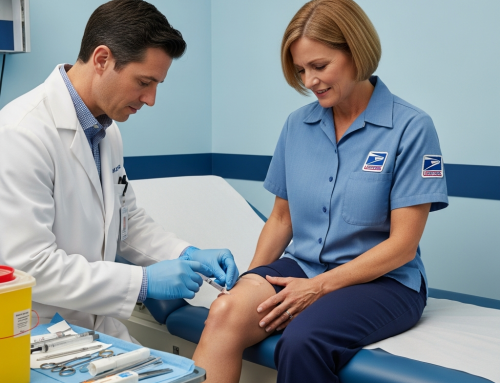
Scenario: For instance, if you’re a postal worker who has permanently injured your knee while on duty, you need to have your treating physician write a detailed report outlining the severity of your injury, how it impairs your ability to work and why it’s unlikely to improve significantly in the future.
Step 4: Apply for the Settlement
Once you have all the necessary documents, submit your claim to the OWCP. The application should include Form CA-7 (Claim for Compensation), Form CA-20 (Attending Physician’s Report), and all your medical evidence. Ensure you keep a copy of everything you send.
Step 5: Await OWCP Decision
The OWCP will review your claim and make a decision. This process can take several months, so patience is key. If the OWCP approves your claim, they will calculate your settlement based on the severity of your disability and your wage rate at the time of injury.
Scenario: Suppose you’re a federal park ranger who suffered permanent partial hearing loss due to a job-related incident. The OWCP will consider the impairment rating provided by your doctor (let’s say 30%) and your wage at the time of injury ($800 per week) to calculate your settlement. With these figures, your schedule award could be around $47,520 (312 weeks x $800 x 30%).
Step 6: Appeal if Necessary
If your claim is denied, or if you disagree with the amount of your settlement, you have the right to appeal. You can request a hearing before an OWCP representative or an OWCP District Director’s review. Remember that you have a limited time to appeal, so act promptly.
In conclusion, securing a federal workers’ compensation PPD settlement can be a complex process filled with bureaucratic red tape. But armed with the right information and guidance, you can navigate it more efficiently. Always remember that each case is unique, and this guide serves as a general overview. For personalized advice, consider consulting with an experienced federal workers’ comp attorney. They can help ensure your rights are protected and work towards securing the best possible outcome for your case.
Understanding Federal Workers’ Compensation Permanent Partial Disability Settlement: Challenges, Solutions, and Expert Tips
As a federal employee, it’s crucial to understand your rights and benefits under the Federal Employees’ Compensation Act (FECA), especially when it comes to the often misunderstood realm of permanent partial disability (PPD) settlements. PPD refers to a condition where an individual has suffered an injury or illness that permanently reduces their ability to work, but does not completely prevent them from working.
**Common Challenges**
One of the most common challenges federal employees face with PPD settlements is understanding the complex regulations and processes involved. Workers often struggle with the paperwork and bureaucracy necessary to prove their disability and secure benefits.
Another challenge is the misconception that federal workers’ compensation operates in the same way as state workers’ comp. However, FECA is a separate system with its own rules, making it crucial for federal employees to consult with a FECA-knowledgeable attorney or representative.
Moreover, employees may face challenges navigating the schedule awards system, which governs compensation for PPD. The Department of Labor’s schedule award list outlines specific amounts for loss or loss of use of body parts, functions like vision or hearing, or disfigurement. This schedule may not necessarily reflect an injured worker’s actual earning capacity, leading to potential disputes over fair compensation.
**Solutions and Best Practices**
Firstly, seek legal counsel. An experienced federal workers’ compensation attorney can help navigate through the complexities of FECA and ensure your rights are protected. They can guide you through the claims process, helping to gather necessary medical evidence and representing you in any disputes.
Secondly, it’s crucial to get a comprehensive medical evaluation by a physician who understands FECA. Your physician should provide detailed documentation including diagnosis, prognosis, treatment plans, and how the injury affects your ability to work. This will form the basis of your claim.
Thirdly, understand that PPD settlements under FECA are ‘schedule awards’. These are not based on lost wages but rather the loss of use of a body part or function. It’s important to work with your physician and attorney to clearly demonstrate the extent of your impairment.
**Expert Tips**
1. **Act promptly**: Report your injury as soon as possible to your supervisor and file a claim with the Department of Labor. Delays can potentially jeopardize your claim.
2. **Keep records**: Maintain a detailed record of your medical treatments and any correspondence related to your injury or claim.
3. **Understand the process**: Familiarize yourself with FECA and the process for obtaining compensation. This includes understanding that there’s no lump sum settlement option under FECA for PPD unlike in some state workers’ comp systems.
4. **Seek professional advice**: Consult with a FECA-knowledgeable physician and an attorney to ensure you’re getting the appropriate medical treatment and legal representation.
5. **Communicate effectively**: Keep an open line of communication with your physician, attorney, and claims examiner. This will help keep your claim moving forward smoothly.
In summary, while navigating through federal workers’ compensation PPD settlements can be complex and challenging, understanding the process, seeking professional advice, and keeping diligent records can ensure you receive the benefits you deserve as a federal worker. Remember that every case is unique, so what worked for one person might not work for you. Always consult with professionals who understand the intricacies of federal workers’ compensation laws to guide you through this process.
Federal Workers’ Compensation Permanent Partial Disability Settlement: What to Expect, Timelines, and Next Steps
Federal workers’ compensation is a unique system, offering benefits to injured government employees. One aspect of this compensation structure is the Permanent Partial Disability (PPD) settlement. This article provides an in-depth look into what to expect, the associated timelines, and the next steps related to PPD settlements under federal workers’ compensation.
What is Permanent Partial Disability (PPD)?
In the realm of federal workers’ compensation, Permanent Partial Disability refers to a condition where the injured worker can no longer perform at full capacity due to a work-related injury or illness, but can still engage in some form of work. The Office of Workers’ Compensation Programs (OWCP) in the Department of Labor oversees these cases and provides financial remuneration to cover lost wages and medical expenses.
What to Expect?
When you file a claim for a PPD settlement, you should anticipate a thorough investigation by OWCP. They will review your medical records and may require an Independent Medical Examination (IME) to verify the extent of your disability. Your compensation will then be calculated based on your wage loss and degree of impairment.
The Federal Employees’ Compensation Act (FECA) provides that compensation for PPD is based on a schedule award. This means that certain body parts and functions have been assigned a specific value in weeks of compensation. For example, the loss of an arm is compensated for 312 weeks of pay.
Timelines
The timeline for a PPD settlement can vary greatly depending on the complexity of your case and the efficiency of your documentation. However, generally speaking, you can expect the process to take anywhere from several months to over a year. Once OWCP receives your claim, they typically take about 90 days to make an initial decision. If additional information or an IME is required, this can extend the timeline.
Once a decision has been made regarding your claim, the payment process will begin. In many cases, these payments will be retroactive to the date of injury, or to the date when wage loss was first experienced.
Next Steps
If you’re considering a PPD settlement, the first step is to consult with a qualified attorney who specializes in federal workers’ compensation. They can guide you through the process, help you gather the necessary documentation, and advocate on your behalf.
The next step is to file a claim with OWCP. It is crucial to do this as soon as possible after your injury, as there are strict deadlines within which claims must be filed. Your claim should include all relevant medical documentation supporting your disability status.
If your claim is denied, you have the right to appeal the decision. This must be done within 30 days of receiving the denial notice. The appeal process may involve a hearing before an OWCP representative or further review by an appeals board.
Practical Guidance
While navigating the PPD settlement process, it’s important to remember the following
1. Documentation is crucial – keep copies of all medical records, correspondence with OWCP, and any other material related to your injury and claim.
2. Be timely – meet all deadlines and respond promptly to requests from OWCP.
3. Seek help – federal workers’ comp is a complex system, and having a knowledgeable attorney can make a significant difference.
In conclusion, federal workers’ compensation PPD settlements can provide valuable support to those dealing with permanent partial disabilities resulting from a work-related injury or illness. By understanding what to expect, adhering to timelines, and knowing the next steps, you can navigate this process more effectively.
In conclusion, the complexities surrounding federal workers’ compensation and permanent partial disability settlements necessitate a deep comprehension of the Federal Employees’ Compensation Act (FECA). The Act, which provides benefits including wage-loss compensation for total or partial disability, schedules benefits for loss or loss of use of specified members of the body, medical benefits, and vocational rehabilitation, is not always straightforward to navigate.
One noteworthy aspect is the permanent partial disability (PPD) settlement. In cases where an employee has suffered an injury that results in permanent partial disability, they are entitled to receive compensation as outlined under Schedule Awards in the FECA. This includes injuries that result in the loss or loss of use of certain body parts or functions such as arms, legs, vision, hearing, or mental function. The law provides specific amounts of compensation for each type of loss, which are calculated based on the employee’s salary and the severity of their disability.
However, it’s important to remember that these scheduled awards are not automatic. The injured employee must apply for them after reaching maximum medical improvement (MMI), which is the point where their condition can no longer improve significantly with further treatment. This process involves having a doctor examine the employee and provide a written report detailing the extent of their disability, which is then submitted to the OWCP for review.
Furthermore, the FECA offers ‘augmented compensation’ for dependents in cases where the injured worker is totally disabled or deceased. This means eligible spouses or children can receive an additional amount on top of the regular compensation benefits. However, this only applies in certain circumstances and is subject to specific limitations.
To navigate these complexities and ensure you are getting the benefits you deserve, it’s crucial to have experienced guidance. You need someone who understands the intricacies of the FECA, can help you with the application process, and can advocate for your rights if your claim is denied.
Remember that while federal workers’ compensation benefits are a right, they are not always easily accessible. It can be a challenge to interpret the regulations, fill out the forms correctly, and provide the necessary medical evidence. Without professional assistance, you risk making mistakes that could delay your claim or result in you receiving less compensation than you are entitled to.
It’s also important to understand that federal workers’ compensation is different from state workers’ compensation. The rules, benefits, and procedures can vary greatly, so advice that applies to one may not apply to the other. This is another reason why it’s beneficial to have an expert on your side who specializes in federal workers’ compensation.
In light of the complexities and challenges involved with federal workers’ compensation and permanent partial disability settlements, we strongly encourage you to reach out for professional assistance. Our team of experts has extensive experience with these types of claims and can help ensure you receive the full benefits you are entitled to. Don’t let confusion or uncertainty prevent you from exercising your rights.
Whether you’re just starting the application process or need help appealing a denied claim, we’re here to help. Contact us today for a free consultation. We will review your situation, answer any questions you have, and discuss how we can best assist you. Remember, when it comes to something as important as your health and financial security, it’s always better to have expert guidance.