Paramus DOL Doctors: What to Expect at Your Appointment

You know that feeling when you’re sitting in a waiting room, scrolling through your phone for the third time, and wondering if you’ve made a huge mistake? Maybe you’re second-guessing whether you really need help with your weight, or if this whole “medical supervision” thing is just going to be another disappointment in a long line of failed attempts.
I get it. You’ve probably tried everything – keto, intermittent fasting, that juice cleanse your coworker swore by, maybe even some sketchy pills you ordered online at 2 AM (we’ve all been there). And here you are, considering something that feels both promising and terrifying: seeing a DOL doctor in Paramus.
The thing is, you’re not alone in feeling nervous about that first appointment. Most people walk into medical weight loss thinking they know what to expect – maybe some judgment, a lecture about willpower, or worse… being handed yet another generic diet plan that worked for someone else but definitely won’t work for you.
But here’s what might surprise you – DOL doctors aren’t your typical “eat less, move more” practitioners. These are physicians who actually understand that weight loss isn’t just about calories in versus calories out. They get that your metabolism might be completely different from your neighbor’s, that hormones can be working against you, and that sometimes your body needs a little pharmaceutical nudge to remember how to lose weight effectively.
Still, walking into any medical office for weight-related help can feel vulnerable. You’re essentially saying, “I need help with something I should be able to handle myself” – which, by the way, is complete nonsense, but our brains love to torture us with that narrative anyway.
What makes this different – and why you might actually leave feeling hopeful instead of defeated – is that DOL doctors are specifically trained in the science of medical weight management. They’re not going to hand you a photocopied diet sheet and send you on your way. Instead, they’re looking at your unique situation… your medical history, current medications, hormone levels, metabolism, even your lifestyle constraints.
Maybe you’re dealing with PCOS that makes weight loss feel impossible. Or you’re on medications that have caused weight gain. Perhaps you’ve hit that frustrating plateau where nothing seems to work anymore, or you’re just tired of the constant cycle of losing and regaining the same 20 pounds. These doctors have seen it all – and more importantly, they have actual tools to help.
During your appointment (and yes, we’ll walk through exactly what happens), you’ll probably discover things about your body you never knew. Like why that “foolproof” diet your sister raved about left you hungry and cranky, or why exercise alone hasn’t been moving the needle for you.
The reality is that effective weight loss often requires a medical approach – especially if you’ve been struggling for a while. Your body might need prescription medications like GLP-1 or GLP-1 to help regulate appetite and blood sugar. Or maybe there are underlying hormonal issues that need addressing first. Some people need vitamin deficiencies corrected before their metabolism will cooperate.
What I want you to know before you walk into that office is this: you’re not broken, and you haven’t failed. You’ve just been trying to solve a medical problem without medical tools. It’s like trying to fix a car engine with a butter knife – technically possible, but why make it harder than it needs to be?
In the next few minutes, we’re going to walk through exactly what happens at a DOL appointment in Paramus – from the moment you check in until you leave with your personalized plan. We’ll talk about what questions they’ll ask (some might surprise you), what tests they might run, and what treatment options they might suggest.
Because honestly? The unknown is always scarier than reality. Once you know what to expect, that nervous energy can transform into something much more useful – excitement about finally having a real strategy that’s designed specifically for you.
Ready to find out what actually happens behind those office doors?
What Exactly Is a DOL Doctor Anyway?
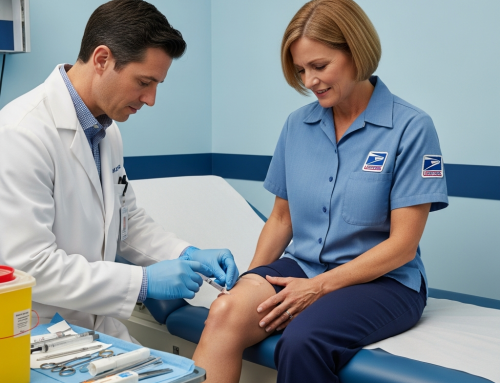
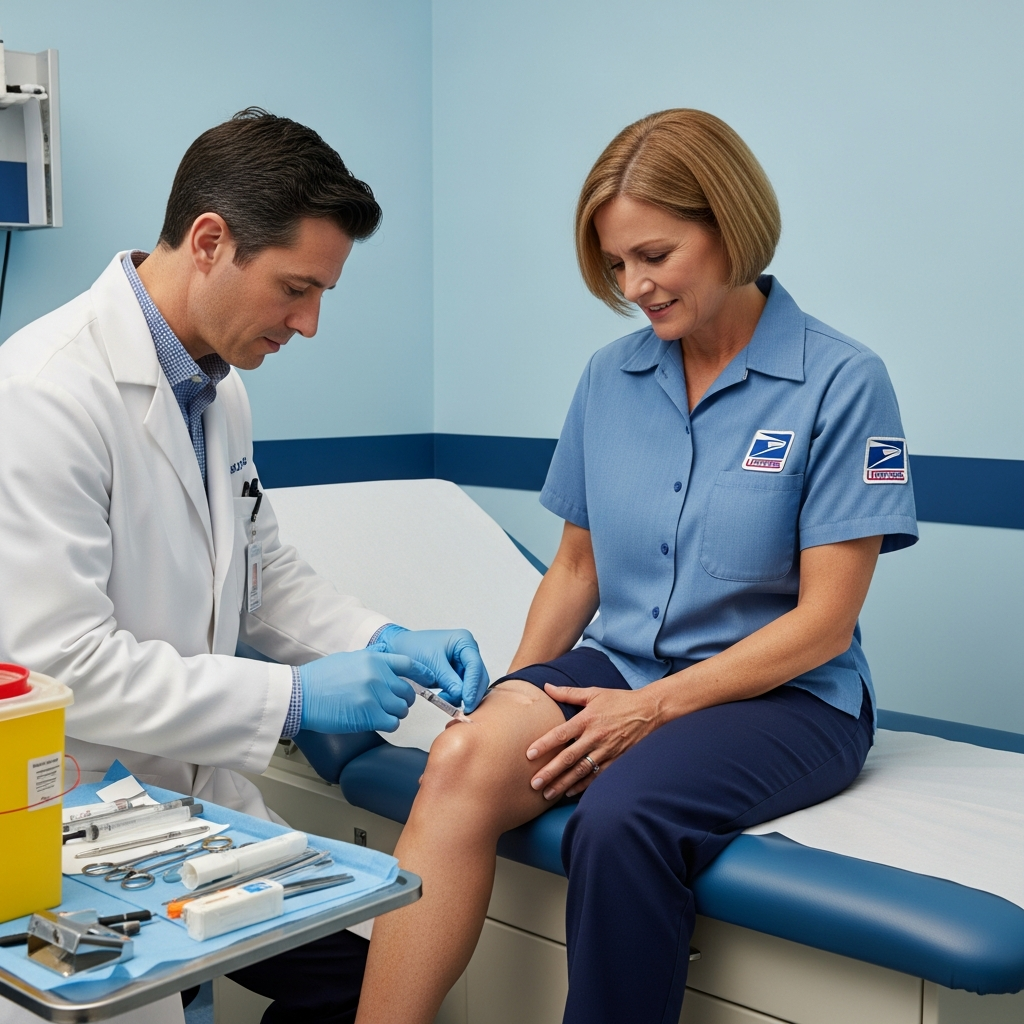
You’ve probably heard the term “DOL doctor” thrown around, but let’s be honest – it sounds like alphabet soup, doesn’t it? DOL stands for Department of Labor, and these doctors have a very specific job: they’re the medical professionals who evaluate work-related injuries and illnesses for workers’ compensation cases.
Think of them as medical detectives, but instead of solving crimes, they’re figuring out whether your injury is truly connected to your job. It’s like having a referee in a sports game – they’re there to make impartial calls based on the evidence they see.
Now here’s where it gets a bit… well, weird. These doctors aren’t your personal physicians. They don’t work for you, and they’re not trying to be your advocate. That might feel uncomfortable at first – we’re so used to doctors being “on our side.” But DOL doctors work for the insurance companies or employers to provide independent medical evaluations.
The Whole Workers’ Comp Web
Workers’ compensation is this intricate system that’s supposed to protect both you and your employer when workplace injuries happen. You get medical care and wage replacement… your employer gets protection from lawsuits. It sounds straightforward on paper, but in reality? It’s more like navigating a maze while blindfolded.
When you file a workers’ comp claim, there are several moving pieces. Your treating physician says one thing, the insurance company wants a second opinion, and sometimes – actually, pretty often – they’ll send you to a DOL doctor for what’s called an Independent Medical Examination, or IME.
The insurance company basically says, “Hey, we want our own doctor to take a look and tell us what they think.” And that’s where Paramus comes in – it’s one of the areas in New Jersey where you might find yourself sitting in a waiting room, wondering what exactly you’ve gotten yourself into.
Why Your Opinion Might Not Matter (Much)
Here’s something that catches a lot of people off guard: the DOL doctor’s evaluation can carry significant weight in determining your benefits. More weight than you might expect, honestly.
Let’s say your regular doctor thinks you need six more weeks off work, but the DOL doctor disagrees. Guess whose opinion the insurance company is going to prefer? It’s like having two people estimate the value of your car after an accident – except one works for your insurance company and the other… well, also works for an insurance company.
This isn’t necessarily because these doctors are trying to be difficult. Most of them are genuinely trying to do their job professionally. But they’re looking at your case through a different lens – one that’s focused on objective medical findings rather than your day-to-day struggles.
The Science vs. Your Reality
DOL doctors tend to rely heavily on what they can measure, test, and document. If an MRI shows your herniated disc, that’s concrete evidence. If you tell them you’re in pain but the tests look normal… well, that’s where things get complicated.
It’s a bit like trying to prove you’re tired to someone who can only measure your blood pressure and heart rate. The numbers might look fine, but that doesn’t mean you’re not exhausted, right?
This is where the system gets frustrating for a lot of people. Chronic pain, fatigue, difficulty concentrating – these very real symptoms don’t always show up on fancy medical tests. And unfortunately, if it can’t be measured, some DOL doctors might downplay its significance in their reports.
The Timeline Factor
Another thing that trips people up – these evaluations often happen weeks or months after your initial injury. By then, you might be feeling better… or different… or you’ve learned to cope with certain limitations.
The DOL doctor is trying to piece together what happened based on medical records, your current condition, and a single snapshot examination. It’s like asking someone to judge a movie based only on the trailer and the last five minutes.
Sometimes this timing actually works in your favor – if you’ve healed well, that’s great news. But other times, you might feel like you’re being judged for improving… or not improving fast enough. The whole thing can feel pretty surreal.
The key thing to remember? This appointment isn’t about getting treatment or building a long-term doctor-patient relationship. It’s about documentation, evaluation, and creating a medical record that will influence your workers’ compensation case.
What to Bring (And What to Leave at Home)
You know that feeling when you’re rushing out the door for an important appointment and suddenly can’t remember if you grabbed everything? Yeah, let’s avoid that panic.
Bring your insurance cards – both current and any recent changes. I’ve seen too many people discover their coverage switched mid-month and nobody told them. Also pack a complete list of medications, including those over-the-counter supplements you take “just sometimes.” Trust me, that random vitamin D you pop on Sundays? Your DOL doctor wants to know about it.
Here’s what most people forget: bring a friend or family member if you can. Not because you need moral support (though that’s nice), but because you’re going to get a lot of information thrown at you. Having an extra set of ears means you won’t drive home wondering, “Wait, did she say increase my protein or decrease it?”
Leave the defensive attitude at home, though. I get it – nobody likes being told they need to change their relationship with food. But these doctors have literally seen it all. They’re not judging your late-night ice cream habit; they’re trying to figure out why your body responds the way it does.
The Real Talk About What Gets Discussed
Your appointment isn’t going to be a gentle chat about “eating better.” These doctors dig deep – and I mean *deep*. They’ll ask about your sleep patterns (because terrible sleep can sabotage weight loss faster than you’d believe), stress levels, family history, and yes… your bathroom habits.
Expect questions about failed diet attempts. This isn’t them rubbing salt in old wounds – they need to understand what your body’s been through. That crash diet from 2019? The keto experiment that lasted exactly 11 days? It all matters because your metabolism remembers everything.
They’ll also want to know about medications that might be working against you. Some antidepressants, blood pressure meds, even certain antihistamines can make losing weight feel impossible. Finally – someone who gets that it’s not just about willpower.
How to Maximize Your Time (Because 30 Minutes Goes Fast)
Here’s an insider tip: prepare your questions in advance, but prioritize them. Write down your top three concerns because once you start talking about your thyroid function or insulin resistance, time disappears.
Be brutally honest about your eating patterns. Not the version where you conveniently forget about weekend binges or that daily afternoon vending machine visit. The real version. These doctors have heard everything – literally everything – so your confession about eating cereal for dinner three times last week isn’t going to shock them.
Ask about timeline expectations, but brace yourself for realistic answers. If you’re hoping to drop 50 pounds by your high school reunion next month… well, that’s not happening safely. Good DOL doctors won’t promise magical results because sustainable weight loss is more marathon than sprint.
Reading Between the Lines of Your Results
When your doctor starts rattling off numbers from your lab work, don’t just nod politely. Ask what they mean for your daily life. That slightly elevated A1C? It might explain why you crash hard after meals. Those thyroid markers? They could be why you feel exhausted even after sleeping nine hours.
Pay attention to what they *don’t* emphasize too. If they’re not pushing surgery immediately, that tells you something. If they spend more time talking about sleep hygiene than calorie counting, that’s a clue about what your body actually needs right now.
Setting Up Your Success System
Before you leave, nail down the follow-up plan. Not just “see you in three months” but actual specifics. What metrics are you tracking? Weight, sure, but also energy levels, sleep quality, how your clothes fit, mood changes…
Ask about their preferred communication method. Some doctors love patient portal messages; others prefer phone calls for urgent concerns. Knowing this upfront saves frustration later when you’re wondering if that new side effect is worth bothering them about.
And here’s something nobody tells you: ask about their backup plan. What happens if the first approach doesn’t work? Medical weight loss isn’t one-size-fits-all, and the best doctors already have Plan B (and C) in mind before Plan A even starts.
The goal isn’t perfection – it’s progress that actually sticks this time.
When Your Scale Becomes Your Enemy
Let’s be real – the hardest part isn’t always the eating or the exercise. Sometimes it’s stepping on that scale at your appointment, knowing the number might not reflect all the work you’ve been putting in. You’ve been tracking everything, hitting your protein goals, drinking water like it’s your job… and somehow you’re up two pounds from last week.
Your DOL doctor gets this. They’ve seen it a thousand times. Water retention from that new workout routine, hormonal fluctuations, or simply the fact that muscle weighs more than fat – these aren’t excuses, they’re physiology. The solution? Work with your doctor to establish multiple progress markers. Take measurements, progress photos, track how you feel in your clothes. Some weeks the scale won’t budge, but your waist measurement drops an inch. That’s still winning.
The Social Food Minefield
Nobody warns you how awkward eating becomes when you’re trying to lose weight. Suddenly every work lunch is a negotiation, every family gathering feels like running an obstacle course, and don’t even get me started on dating while counting macros.
Your coworkers want to order pizza. Your mom insists you try her famous lasagna. Your friends think you’re being “too rigid” when you suggest the restaurant with healthier options. It’s exhausting, and honestly? Sometimes you’ll cave. That’s human.
The trick isn’t perfection – it’s having a plan. Before social situations, eat a small snack so you’re not starving. Scope out menus ahead of time. Have your go-to phrases ready (“I’m trying to eat lighter these days” works better than launching into your entire weight loss strategy). And when you do slip up? Get right back on track the next meal, not next Monday.
When Motivation Takes a Vacation
Here’s something nobody tells you: motivation is like your phone battery – it dies when you need it most. You start strong, meal prepping like a champion, hitting the gym religiously. Then life happens. Work gets crazy, your kid gets sick, or you just wake up one Tuesday feeling completely over it.
This is where your DOL doctor becomes invaluable. They’re not just there for the medical stuff – they’re your accountability partner when your own willpower goes AWOL. They’ve built systems to catch you when you’re falling off track, not judge you for it.
The real solution? Stop relying on motivation entirely. Build habits so automatic you do them even when you don’t feel like it. Start ridiculously small – one push-up, one vegetable with dinner, parking farther away. These tiny changes compound over time, and they don’t require you to feel inspired every day.
The Plateau That Feels Like Forever
You know what’s worse than not losing weight? Losing weight steadily for weeks, then… nothing. For what feels like eternity. Your body decides to take a little vacation from fat loss, and suddenly you’re questioning everything.
Did you break your metabolism? Are you eating too little? Too much? Should you do more cardio? Different cardio? Maybe you should just give up and embrace being “fluffy”…
Stop. Breathe. Plateaus are normal – they’re actually a sign your body is adapting, which is exactly what you want for long-term success. Your DOL doctor will help you push through with strategic changes. Maybe it’s adjusting your macros, switching up your exercise routine, or – plot twist – eating more to rev up your metabolism again.
The key is not making drastic changes in panic mode. Small tweaks, patience, and trusting the process your doctor has designed specifically for you.
Managing Expectations vs. Instagram Reality
Social media makes weight loss look like a highlight reel – dramatic before-and-after photos, perfectly portioned meal prep containers, and people who apparently never struggle with cravings or bad days.
Real weight loss? It’s messier. Some weeks you’ll lose three pounds, others you’ll gain one. You’ll have days where you eat perfectly and days where you stress-eat half a sleeve of crackers while standing in your kitchen. Both are part of the process.
Your DOL doctor will help set realistic expectations based on your specific situation – not what worked for your sister’s friend’s cousin. They’ll celebrate the small victories with you and normalize the setbacks, because they understand that sustainable weight loss isn’t about perfection.
It’s about showing up consistently, even when it’s hard. Especially when it’s hard.
Setting Realistic Expectations for Your Progress
Let’s talk about what actually happens after you walk out of that first appointment – because honestly, most people have some pretty unrealistic expectations about how quickly things will change.
First off, you’re not going to lose 20 pounds in your first month. I know, I know… those Instagram transformation posts make it look like everyone else is melting fat overnight. But here’s the thing – sustainable weight loss typically happens at 1-2 pounds per week when everything’s going well. And that’s *when things are going well*. Some weeks you might lose nothing. Some weeks you might even gain a pound or two (hello, water retention and hormonal fluctuations).
Your Paramus DOL doctor will probably set an initial goal of losing 5-10% of your current body weight over the first 3-6 months. That might sound modest, but trust me – even that seemingly small amount can make a huge difference in how you feel, your energy levels, and your overall health markers.
The first few weeks? Those are usually about adjusting. Your body’s figuring out the new medication, you’re learning new eating patterns, and honestly… you might feel a little off. Nausea, changes in appetite, maybe some fatigue – it’s all pretty normal as your system adapts.
Your Follow-Up Schedule (And Why It Matters)
You’ll typically see your doctor again in 2-4 weeks after starting treatment. This isn’t just a quick check-in – it’s actually one of the most important appointments you’ll have. Your doctor will assess how you’re responding to the medication, adjust dosages if needed, and address any side effects you’re experiencing.
After that initial follow-up, you’ll probably settle into monthly appointments for the first few months, then potentially every 6-8 weeks once things stabilize. And here’s what I want you to remember – these aren’t just weigh-ins. Each appointment is a chance to fine-tune your treatment, address challenges, and celebrate progress (even the small wins that might not show up on the scale).
Between appointments, most practices will have you check in periodically. Maybe it’s a quick call with a nurse, an online portal message, or even a brief telehealth visit. Don’t skip these – they’re your safety net.
The Reality of Side Effects and Adjustments
Let’s be real about this part… you’re probably going to experience some side effects, especially in the beginning. The most common ones with medications like GLP-1 or GLP-1 include nausea, changes in bowel habits, and decreased appetite (which, to be fair, is kind of the point with that last one).
Here’s what’s normal: mild to moderate nausea that improves over time, feeling full more quickly than usual, maybe some stomach upset. What’s not normal and requires immediate attention: severe vomiting, intense abdominal pain, or signs of pancreatitis.
Your doctor will likely start you on the lowest effective dose and gradually increase it. This isn’t because they’re being overly cautious – it’s because your body needs time to adjust. Think of it like breaking in new shoes… you wouldn’t run a marathon in them on day one, right?
Building New Habits (The Unsexy but Important Stuff)
While the medication is doing its thing, you’ll be working on the lifestyle changes that’ll make your results stick. This isn’t about overhauling your entire life overnight – actually, that usually backfires pretty spectacularly.
Your DOL doctor will probably recommend starting with small, manageable changes. Maybe it’s adding a 10-minute walk after dinner. Or swapping out one sugary drink per day. The goal isn’t perfection… it’s consistency.
What Success Actually Looks Like
Success isn’t just about the number on the scale, though I get it – that’s probably what you’re most focused on right now. But your doctor will be tracking other things too: improvements in blood pressure, better sleep quality, increased energy, improved lab values.
Some patients notice changes in appetite and cravings within the first week or two. Others don’t feel much different for a month. Both are completely normal. Your timeline is your timeline – not your neighbor’s, not your coworker’s who “lost 15 pounds in three weeks.”
The most important thing? Stay in communication with your Paramus DOL team. They’ve seen it all before, and they’re there to help you navigate the bumps along the way. Because trust me, there will be bumps. But with the right support and realistic expectations, you’re setting yourself up for success that actually lasts.
Taking That Next Step Forward
Look, I get it. Walking into any medical appointment can feel overwhelming – especially when you’re already dealing with the frustration of carrying extra weight that just won’t budge. But here’s the thing about DOL (Doctor of Obesity and Lipidology) specialists in Paramus… they truly understand what you’re going through.
These aren’t doctors who’ll give you a judgmental look and tell you to “just eat less and move more.” (If only it were that simple, right?) They’re specialists who recognize that weight management is complex, deeply personal, and – honestly – pretty challenging to navigate alone. Your DOL doctor has seen it all, and more importantly, they’ve helped people just like you find real, sustainable solutions.
During your appointment, you might feel vulnerable sharing your struggles with food, your past attempts at weight loss, or how your weight affects your daily life. That’s completely normal. Actually, it’s necessary. The more honest you can be about your challenges – the late-night snacking, the emotional eating, the yo-yo dieting history – the better your doctor can tailor a plan that actually works for your life.
Remember, this isn’t about quick fixes or miracle cures. Your DOL doctor will likely discuss everything from nutrition counseling and exercise planning to potentially medications or other medical interventions. Some of these options might surprise you… maybe you didn’t know there were FDA-approved medications that could help with appetite control, or that certain metabolic factors might be working against your weight loss efforts.
The beautiful thing about working with a specialist is that they’re not trying to fit you into a one-size-fits-all approach. They understand that what works for your neighbor or your coworker might not work for you – and that’s perfectly okay. Your plan will be yours, designed around your medical history, your lifestyle, your preferences, and yes, even your food hang-ups.
One thing I hear from patients all the time is how relieved they feel after that first appointment. Not because they have all the answers immediately, but because they finally feel heard. They feel like someone gets it. Someone understands that this isn’t about willpower or moral failing – it’s about biology, psychology, and finding the right medical support.
You Don’t Have to Figure This Out Alone
If you’ve been thinking about scheduling an appointment with a DOL doctor in Paramus, trust that instinct. You’ve probably been trying to solve this puzzle on your own for way too long. There’s no shame in getting professional help – actually, it’s one of the smartest things you can do for your health and your peace of mind.
You deserve to feel comfortable in your body. You deserve to have energy for the things you love. And you definitely deserve compassionate, expert care that meets you exactly where you are right now.
Ready to take that step? Give us a call. We’re here when you’re ready – no pressure, no judgment, just support and real solutions. Your future self will thank you for making that appointment.